Weed Maintenance
Properties That Stay Cleared Year-Round
Weed Maintenance in Napa for properties facing overgrowth and safety compliance requirements
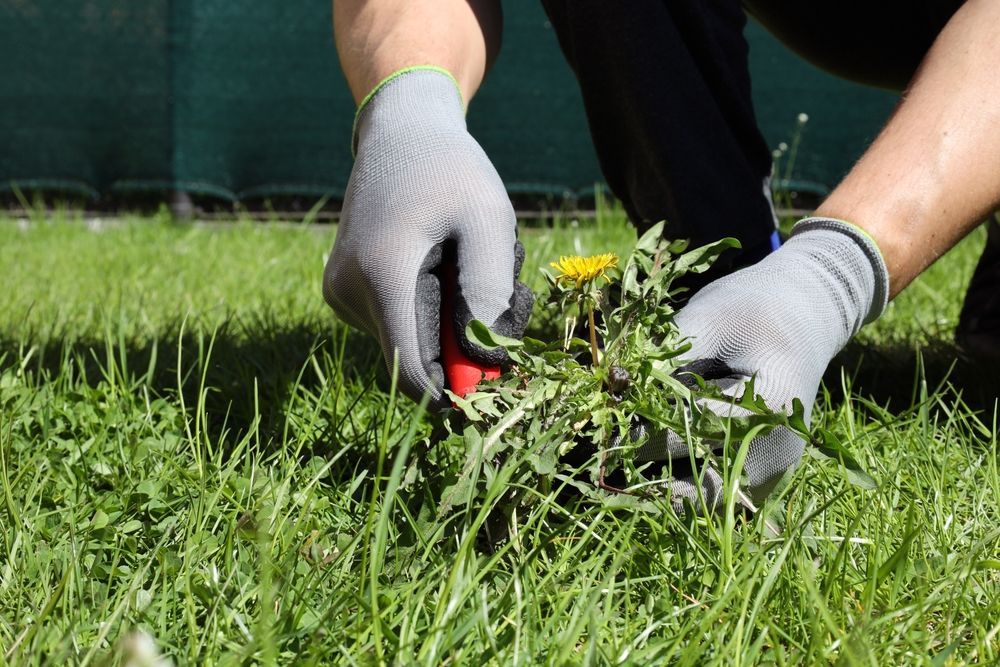
Paul's Hauling and Yard Maintaince handles weed maintenance in Napa and Sonoma, providing control services that address seasonal overgrowth, fire abatement requirements, and recurring vegetation management. Properties with tall dry grass, invasive broadleaf weeds, or areas requiring compliance with local fire codes rely on scheduled maintenance to prevent citations and maintain accessible outdoor spaces. High weed mowing targets overgrown lots where standard equipment cannot operate safely, clearing vegetation that exceeds heights manageable through routine care.
Weed maintenance includes targeted weed control for active growing seasons, weed abatement for fire-prone zones, and high weed mowing for properties reclaiming neglected areas. Recurring programs schedule seasonal visits to prevent regrowth cycles, while one-time cleanups address emergency overgrowth from extended absences or property transitions. The work directly affects property accessibility, reduces fire hazards in dry months, and eliminates habitats for rodents and pests that thrive in tall vegetation.
Schedule a property walkthrough to determine seasonal maintenance frequency and abatement requirements.
How Regular Maintenance Prevents Overgrowth Cycles
Weed maintenance programs operate on schedules aligned with growing seasons, which in Napa and Sonoma typically accelerate during late spring and require heightened attention before summer fire season. Recurring visits cut vegetation before seed heads mature, interrupting reproduction cycles that lead to denser infestations each year. High weed mowing uses equipment designed to handle thick stalks and matted growth that standard mowers jam on, cutting close enough to ground level that regrowth slows.
After maintenance completes, you notice cleared sight lines across your property, elimination of tripping hazards from tangled vines, and compliance with county fire safety regulations that measure vegetation height. Pathways become walkable again, fencelines are visible, and the dry grass that creates ember ignition risk during wildfire season is removed. Properties enrolled in recurring programs maintain lower baseline vegetation levels, requiring less aggressive cutting during each visit compared to properties addressing years of neglect in single cleanups.
Services support both residential properties managing large yards or slopes and select small commercial properties with outdoor areas requiring routine clearing. Customers specify whether they need weed control targeting specific invasive species, general abatement for fire clearance zones, or high mowing for overgrown areas before scheduling, since equipment and labor requirements differ significantly between these service types.
What Property Owners Ask About Maintenance Programs
Weed maintenance addresses ongoing vegetation challenges that vary with property size, rainfall patterns, and local compliance requirements in Napa and Sonoma counties.
What does high weed mowing handle that standard mowing cannot?
High weed mowing cuts vegetation exceeding twelve inches in height, including thick grasses, dried stalks, and matted growth that would stall or damage residential mowers, using heavy-duty equipment designed for overgrown and uneven terrain.
How often should recurring weed maintenance occur?
Scheduling depends on growth rates driven by irrigation, soil moisture, and seasonal rain, with most properties in the region requiring service every four to eight weeks during spring growth and less frequently once vegetation enters summer dormancy.
What is included in weed abatement service?
Abatement focuses on cutting and removing dry vegetation within fire clearance zones as defined by county regulations, typically targeting areas within thirty to one hundred feet of structures depending on local codes and wildfire risk assessments.
When is the best time to start a maintenance program?
Beginning service in early spring before grasses reach full height prevents seed production and reduces the density of vegetation requiring management later in the year, lowering the labor intensity of subsequent visits.
What should I prepare before the first maintenance visit?
Identify and mark any irrigation components, property stakes, or buried utilities within the mowing area, and specify whether you need clippings removed or can accommodate mulching in place depending on fire safety requirements.
Paul's Hauling and Yard Maintaince structures weed maintenance programs around property conditions and seasonal requirements specific to your outdoor spaces. Arrange an initial property evaluation to outline maintenance frequency and abatement scope based on vegetation density and fire clearance obligations.