Trenching
Ground Preparation for Drainage and Irrigation
Trenching in Napa for properties installing underground irrigation systems and improving yard drainage
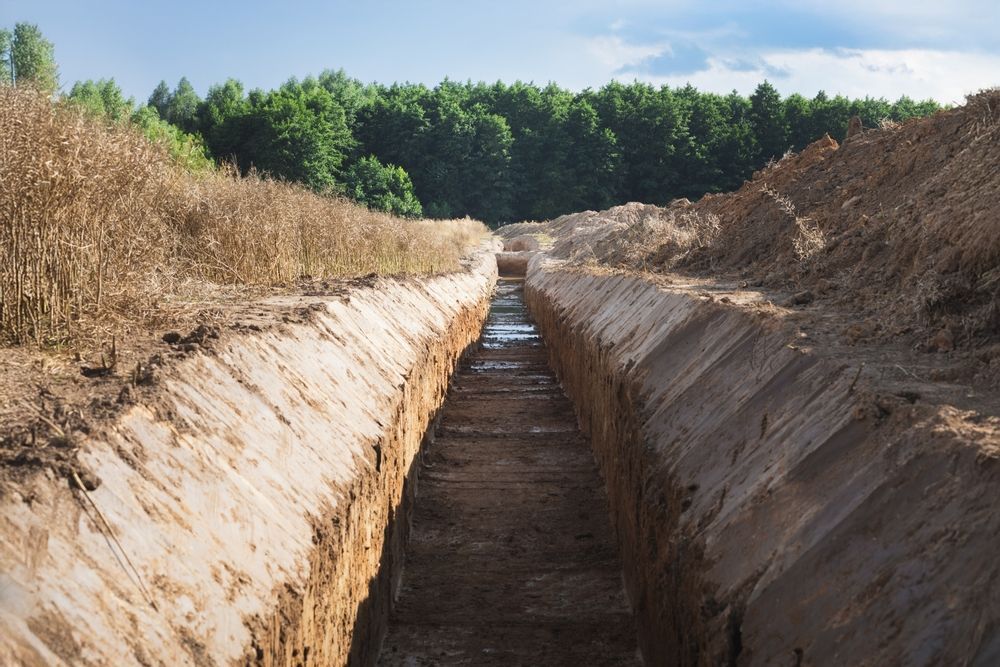
Underground irrigation lines, drainage channels, and utility installations all require trenching that cuts through compacted soil, navigates around existing roots, and maintains grades that allow proper water flow or line placement. Paul's Hauling and Yard Maintaince provides trenching services in Napa and Sonoma through yard maintenance and irrigation-related projects, supporting drainage improvements, irrigation installation, sod preparation, and landscape modifications. Trenching for drip irrigation systems requires shallow, narrow channels that follow planting bed layouts, while drainage trenching demands deeper cuts with specific slope calculations to direct water away from structures or low-lying areas.
The work involves excavating trenches to specified depths and widths, removing soil without damaging adjacent landscape areas, and coordinating trench layout with irrigation components or drainage plans. Services include trenching as standalone site preparation or integrated within full-service projects that combine excavation with system installation and backfill.
Schedule a site assessment to identify trenching locations, depths, and coordination needs before excavation begins.
Why Proper Trenching Matters for System Performance
Trenching accuracy directly affects irrigation efficiency and drainage function, since lines installed in improperly graded trenches allow water to pool in low spots, air pockets to form in irrigation lines, or drainage flow to stall before reaching outlet points. The process requires marking underground utilities, calculating grades for gravity-dependent drainage, and excavating without disturbing root zones of established trees and shrubs. Trench depth and width are determined by the system being installed: irrigation lines need minimal coverage to avoid freezing or accidental damage during future digging, while drainage trenches require sufficient depth to stay below surface compaction and root interference.
Once trenching completes, you see defined pathways ready for line installation, with excavated soil staged for backfill after components are placed and tested. Trenches for drip irrigation follow bed perimeters or planting rows, while drainage trenches slope consistently from problem areas toward appropriate discharge points. Properly executed trenching eliminates the need to re-excavate due to incorrect depth, inadequate grade, or unexpected utility conflicts that halt installation midway.
Projects are structured as labor-only trenching if customers handle their own irrigation or drainage installation, or as full-service coordination when excavation and system installation are bundled. Customers specify trenching scope, including total linear footage, required depths, and whether trenches will remain open for inspection before backfilling.
What Property Owners Usually Ask
Trenching requirements vary based on soil type, system design, and existing site conditions across residential properties in Napa and Sonoma.
How deep do irrigation trenches need to be?
Drip irrigation trenches typically run four to eight inches deep to protect lines from surface damage while keeping emitters accessible for maintenance, whereas mainline trenches for pressurized systems require twelve to eighteen inches to prevent freeze damage and accidental punctures.
What happens if trenching encounters rock or roots?
Rock layers may require mechanical breaking or route adjustments, while large roots are avoided by rerouting trenches when possible, since cutting major structural roots compromises tree stability and health.
How wide should drainage trenches be?
Drainage trench width depends on pipe diameter and backfill material, with most residential drainage requiring trenches eight to twelve inches wide to accommodate four-inch perforated pipe surrounded by gravel that prevents soil from clogging perforations.
When should trenching occur relative to other yard work?
Trenching is scheduled after rough grading but before final landscape installation, allowing irrigation or drainage systems to be tested and backfilled before sod, planting, or hardscape work that would be damaged by excavation equipment.
What should I provide before trenching begins?
Mark above-ground features like sprinkler heads, existing irrigation zones, and areas to avoid, and arrange utility locates through local services to identify buried gas, electric, or water lines that trenching must navigate around.
Paul's Hauling and Yard Maintaince coordinates trenching projects with irrigation installation timelines and drainage system requirements. Request a property consultation to map trench routes and confirm excavation details before scheduling work.