Sod Installation
Lawns Restored Without Multi-Year Waiting
Sod Installation in Napa for properties requiring immediate lawn replacement after damage or bare soil exposure
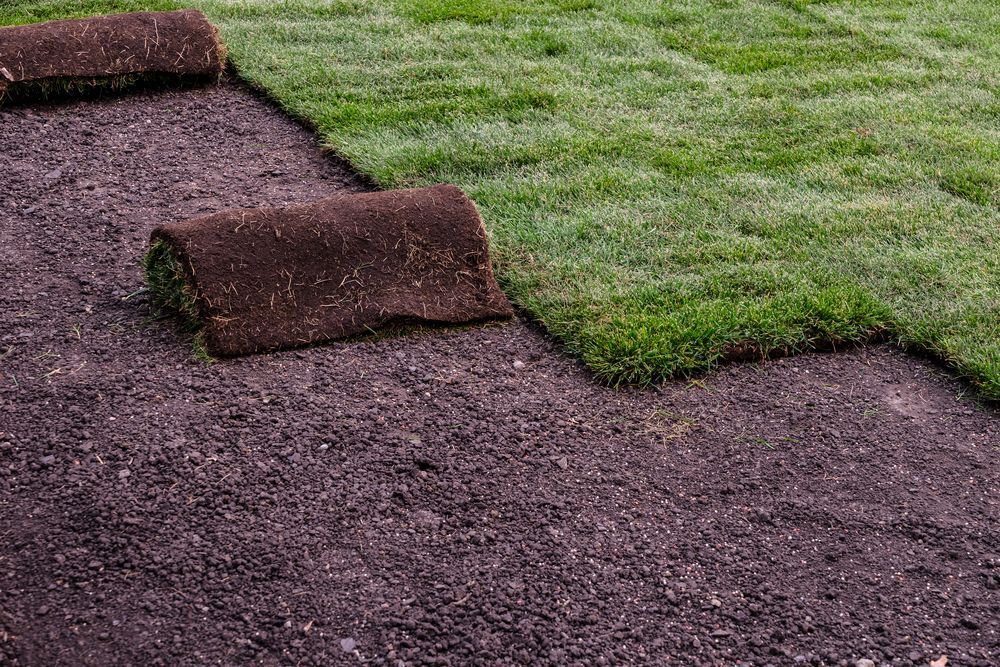
Bare patches, dead zones from pet damage, or complete lawn failure from drought stress leave properties with exposed soil that erodes, harbors weeds, and creates mud during irrigation or rain. Sod installation provides immediate coverage by laying mature grass sections over prepared soil, establishing a functional lawn within weeks rather than the months required for seed germination and establishment. Paul's Hauling and Yard Maintaince handles sod installation in Napa and Sonoma as part of larger yard maintenance and lawn improvement projects, removing damaged grass areas and installing new sod for healthier lawns.
The work includes removing existing dead turf or weeds, grading soil to eliminate low spots where water pools, and laying sod sections tightly to prevent gaps that allow weeds to emerge. Services support both small lawn repairs addressing isolated damage and larger installations replacing entire yard sections, with optional material purchasing coordinated based on project scope.
Arrange an on-site evaluation to measure the installation area and review soil preparation requirements before delivery scheduling.
What Changes After Sod Installation Completes
Sod installation transforms bare or failing areas into established lawn cover within a compressed timeline, requiring soil preparation that removes debris, levels uneven grades, and ensures adequate drainage before sod placement. The sod itself arrives as mature grass sections already rooted into thin soil layers, which are laid edge-to-edge and rolled to ensure root-to-soil contact that promotes establishment. Proper installation eliminates air pockets beneath sod that cause sections to dry out and fail before roots anchor into underlying soil.
After installation, you see continuous green coverage across previously bare or patchy areas, with no mud tracked indoors during irrigation cycles and no erosion channels forming during winter rains. The lawn becomes walkable within two to three weeks as roots establish, far faster than seeded areas that require restricted access for months. Sod installed during cooler months in Napa and Sonoma establishes more reliably than summer installations, since high temperatures stress new grass before roots develop adequate water uptake capacity.
Projects are scoped as labor-only if customers purchase and deliver sod directly from suppliers, or full-service if material purchasing and delivery coordination are included. Customers disclose whether the project addresses small repair zones or complete lawn replacement, since soil preparation and material quantities scale significantly between these scenarios.
Common Questions About This Service
Sod installation addresses lawn restoration needs that vary with property size, existing soil conditions, and irrigation availability throughout Napa and Sonoma.
How is soil prepared before sod placement?
Preparation involves removing existing dead grass or weeds, tilling compacted soil to improve root penetration, leveling uneven areas to prevent water pooling, and adding amendments if soil testing reveals deficiencies that would impede establishment.
What type of sod works best for local conditions?
Tall fescue blends perform well in Napa and Sonoma climates, tolerating summer heat and requiring less water than traditional bluegrass varieties once established, though customers should confirm sod type availability with suppliers before scheduling installation.
How much water does new sod require?
New sod needs daily watering for the first two weeks to keep roots moist during establishment, transitioning to every other day for the following two weeks, with total water needs decreasing as roots grow into underlying soil and access deeper moisture.
When should sod installation occur?
Fall and early spring installations coincide with cooler temperatures and natural rainfall patterns, reducing heat stress on new grass and lowering irrigation demands compared to summer installations that require intensive watering during establishment.
What should I avoid after sod is installed?
Avoid walking on new sod for at least two weeks, allow roots to anchor before mowing, and prevent pets from accessing the area until grass establishes, since foot traffic and digging disrupt root development and create bare spots that require patching.
Paul's Hauling and Yard Maintaince structures sod installation projects around property-specific conditions and customer material preferences. Request a detailed estimate based on measured square footage and soil preparation needs identified during the property visit.